

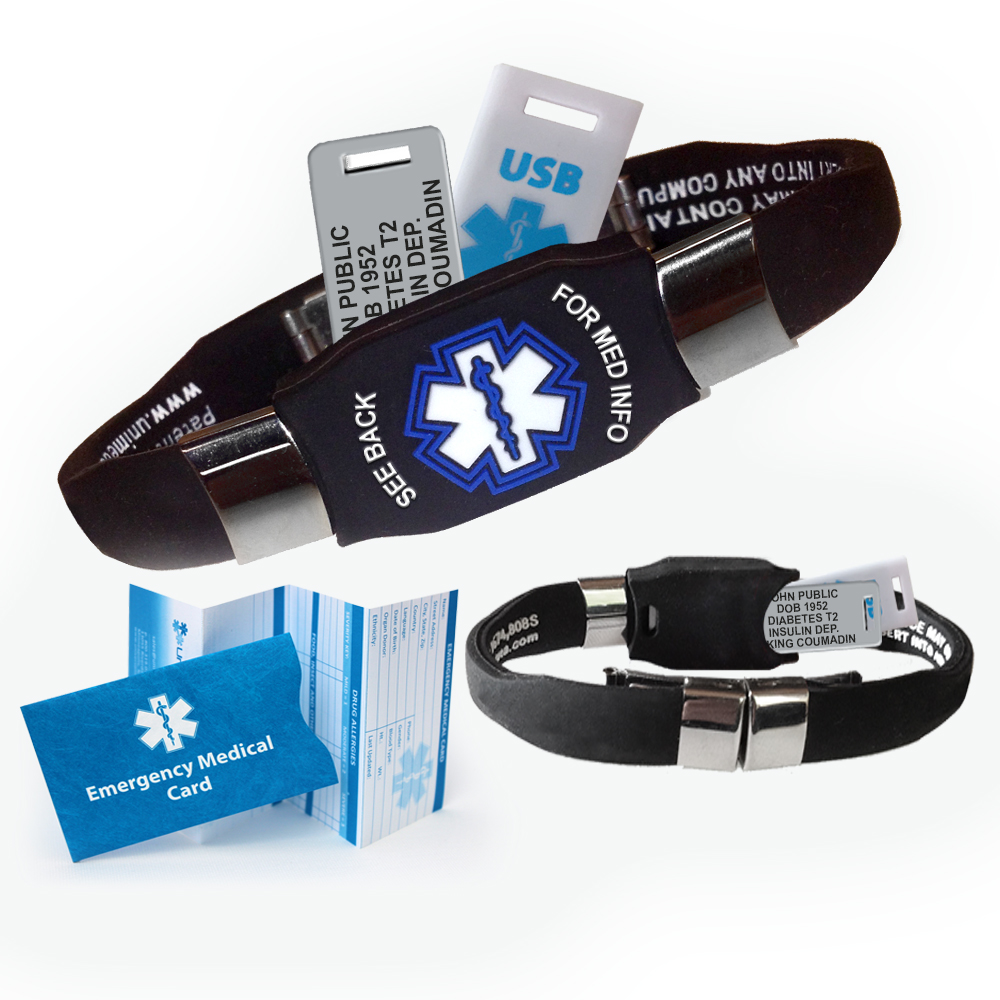
Medical alert bracelets are really helpful for individuals who have specific medical conditions, allergic reactions, or special needs which will require immediate and specific consideration in case of an emergency. Here are some groups of people who might benefit from carrying a medical alert bracelet:
1. Individuals with Chronic Medical Conditions:
Diabetes: Individuals with diabetes, particularly those who use insulin, can benefit from a medical alert bracelet to tell others about their situation and potential want for glucose monitoring or insulin administration.
Epilepsy: People with epilepsy put on medical alert bracelets to communicate their situation, particularly if they're susceptible to seizures.
Heart Conditions: Those with heart circumstances, such as arrhythmias or coronary heart failure, may wear medical alert bracelets to alert healthcare suppliers to their particular cardiac needs.
2. Allergy Sufferers:
Severe Allergies: Individuals with extreme allergic reactions to meals, medications, or insect stings put on medical alert bracelets to communicate their allergy symptoms and the potential for life-threatening reactions.
three. Medication Users:
Medication Interactions: People taking drugs with potential interactions or unwanted facet effects wear medical alert bracelets to notify healthcare professionals about their particular drug regimen.
four. Individuals with Implants or Devices:
Implants or Devices: Those with medical implants similar to pacemakers, defibrillators, or insulin pumps put on medical alert bracelets to tell emergency responders about the presence of those units.
5. Emergency tags with Special Needs:
Cognitive or Communication Impairments: Individuals with situations which will affect communication or these with particular wants, such as autism or dementia, could wear medical alert bracelets to tell others about their specific requirements.
6. Pregnant Women:
Pregnancy: Pregnant women might put on medical alert bracelets to tell healthcare providers about their being pregnant status, especially if they are in conditions where they may require medical attention.
7. Seniors:
Seniors with Multiple Health Conditions: Older adults with a number of chronic situations or complicated medical histories could find it beneficial to put on medical alert bracelets for comprehensive communication of their health data.
eight. Individuals with Rare Conditions:
Rare Medical Conditions: Individuals with rare medical situations could put on medical alert bracelets to tell healthcare suppliers about their unique well being needs.
9. Blood Type Concerns:
Blood Type: Individuals with uncommon blood types might choose to put on medical alert bracelets to communicate their blood sort in case of emergencies.
10. Athletes or Adventurers:
vbnet
Copy code
- **Athletes or Adventurers:** People engaged in activities where emergencies may occur, corresponding to excessive sports or outside adventures, might put on medical alert bracelets to make sure that vital well being data is out there in challenging conditions.
It's essential for individuals to debate with their healthcare providers whether or not carrying a medical alert bracelet is suitable for their specific health circumstances or needs. Additionally, caregivers and family members of these with particular health concerns might encourage or help individuals in sporting medical alert bracelets for their safety..